



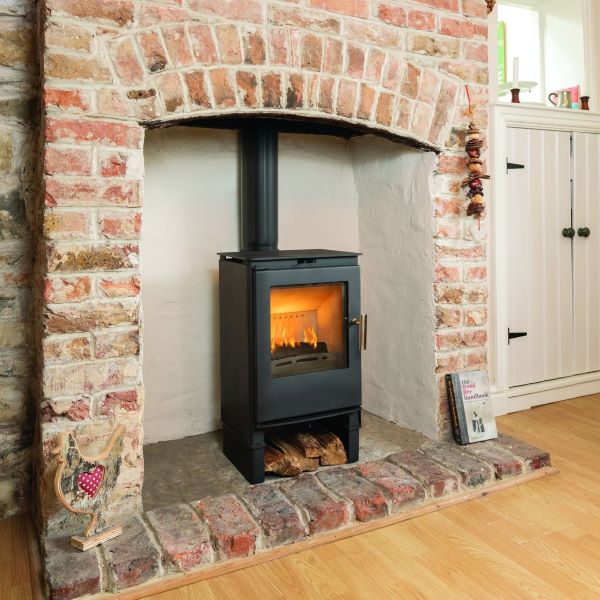
A wood burner doesn’t merely add heat; it injects character and a special kind of warmth into a home. But let’s be completely transparent: the true financial commitment involves much more than just the price you see on the showroom model. So what’s the real cost of a wood burning stove?
We’re talking flue systems, regulatory compliance, professional labour, and ongoing maintenance, all essential elements that can easily sneak up on the unsuspecting homeowner. If you are considering your own wood burning stove, understanding the full wood burner installation cost is vital.
Getting the job done correctly here in the UK means diving into specifics measured in pounds sterling. Getting your head around the real components of that bill, from initial outlay to the annual upkeep, is the only way to manage your budget successfully. We will also address the overall log burner installation costs as we move through the sections.
Decoding the Initial Outlay: Installation Essentials
Key Variables Driving Your Final Quote
What exactly drives the final quoted figure? It fundamentally comes down to a few critical variables.
First, the style of stove you select (a contemporary inset fire or a classic freestanding model like a popular Woolly Mammoth or a traditional Dovre stove) affects both the unit price and the complexity of the fitting labour. Many homeowners are also comparing the price of a log burner cost against a standard open fire.
Second, the existing chimney condition is paramount. If you don’t have a sound, existing stack, you’ll require a full stainless steel flue system, which ramps up the chimney flue installation cost significantly. Finally, factors like your local HETAS-certified labour rates and the need for structural modifications all play their part in the final cost to install.
The Wood Burning Stove: Where Most of Your Money Goes
This is, quite rightly, the largest expense. Expect to budget £300 to £2,500 for an excellent, standard stove unit. Premium British brands, such as Arada or high-end models from Stovax, often command prices exceeding £3,500. Deciding on a new wood burning stove or a used one will greatly impact this initial figure. We are seeing increased interest in multi fuel wood burners as well, which offer fuel flexibility.
When selecting, remember to match the stove’s output to your room size. For most smaller living rooms, models in the 4-6 kW range are perfect and offer great efficiency. Always look for units that are both DEFRA-approved and Ecodesign-ready: these are better for the environment and will help reduce your long-term fuel consumption. The diverse wood burning stove ranges on offer cater to every aesthetic and budget.
Chimney, Flue, and Ventilation System Costs
A safe, functioning flue is non-negotiable. If your existing chimney requires only cleaning and relining, budget £150 to £600. However, if a completely new chimney or flue system is necessary, the cost rises sharply, often falling between £1,800 and £5,500. This higher cost often covers the full log burner installation.
For modern installs, high-quality components are vital. You’ll be looking at flexible flue liner in common diameters like 5″ or 6″, or a reliable Twin Wall Flue system, such as Shieldmaster or KW Pro, especially where no masonry chimney exists. This is precisely why obtaining Technical Advice or a Free System Design from a specialist before purchasing any components pays huge dividends in terms of compliance and avoiding costly mistakes.
If you are replacing an existing fireplace, the costs can be lower but the flue must still be confirmed as sound. For an open fire conversion, the use of a good quality flue pipe with a new flue liner is essential.
Furthermore, proper ventilation is mandatory. Modern, airtight properties often require dedicated Air Bricks or Ventilation Kits (£80–£400) to ensure sufficient airflow and prevent dangerous carbon monoxide build-up. We often get asked how much does it cost for a full installation including all these parts.
Hearth, Labour, and Compliance
Safety and legality are inextricably linked here. The hearth protects your floor from heat and embers and must comply with strict UK Building Regulations. A basic pad might cost under £800, but a custom stone installation will exceed £1,500.
Professional wood burner installation is absolutely critical. You must use a HETAS-certified installer: this guarantees the work is compliant, safe, and that they can issue the required certificate of compliance. This crucial step reduces the chances of having to deal with subsequent issues like chimney fires.
Typical labour fees for a straightforward log burner installation cost run from £200 to £650, but complex, multi-storey fits or jobs requiring structural modifications will naturally cost more. You want your wood burner correctly fitted for long-term safety.
We are seeing a trend where homeowners are swapping out an old gas fire or an electric stove for the efficiency of a modern new wood burning stove.
Don’t forget the small but essential safety accessories: a good quality CO Alarm is mandatory for all solid fuel installations. A common question is also how stove fans typically cost and if they are worth the investment.
Ongoing Costs of Running Your Stove
Fuel Costs: Keeping Your Fire Burning
Fuel remains the primary long-term cost. While you might spend £350 to £1,000 annually on seasoned hardwood (approximately 2 to 4 cubic metres), the cost is significantly offset by the stove’s efficiency.
Using kiln-dried wood in an Ecodesign stove can dramatically cut consumption. Switching from burning wood to other solid fuels, like smokeless coal, is possible with multi fuel stoves. The efficiency of the new stove depends heavily on its maximum heat output.
Maintenance and Servicing
Maintenance is non-negotiable for safety. Budget £80–£200 for an annual chimney sweeping to remove soot and creosote. Routine servicing, checking the flue integrity, and replacing small consumables are also part of the commitment.
Every few years, you might need to swap out accessories like Stove Rope for the door seals or replacement Fire Bricks within the chamber, but these are straightforward parts to source and fit. Regular chimney sweeping is the best defense against dangerous chimney fires.
Typical UK Wood Stove Costs
The table below summarises the expected cost ranges for a standard wood burning stove installation in the UK, excluding any major structural modifications. The total burner installation cost is an accumulation of all these items.
| Cost Component | Typical Price Range (GBP) | Notes |
| Wood Burning Stove Unit / Log Burner | £300 – £2,500 | Varies by size, kW output, and brand (e.g., Arada, Dovre). |
| Flue Lining & Cleaning | £150 – £600 | For existing, sound chimney stack. We recommend a quality flue liner. |
| New Flue System (Twin Wall Flue) | £1,800 – £5,500 | Required if no suitable chimney exists (e.g., Shieldmaster, KW Pro). |
| Hearth Installation | £150 – £1,500+ | Depends on material (prefabricated pad vs. custom stone). |
| HETAS Labour Fees | £200 – £650 | Standard stove installation, excluding complex work. |
| Ventilation / Air Kit | £80 – £400 | Required for modern, airtight homes. |
| Annual Fuel Costs | £350 – £1,000 | Based on 2–4 cubic metres of seasoned hardwood. For multi fuel stoves this may vary. |
| Annual Chimney Sweep | £80 – £200 | Essential maintenance for safety. |
Frequently Asked Questions (FAQ)
Is a HETAS certificate legally required?
While the certificate itself isn’t explicitly a “legal requirement,” compliance with UK Building Regulations is, and a HETAS-registered installer is legally able to self-certify their work. If you use a non-HETAS installer, you must apply to your Local Authority Building Control for inspection and approval, which adds bureaucracy and cost typically £150 – £550 and can complicate the sale of your home later on. Using a HETAS installer guarantees compliance.
What is an Ecodesign stove, and do I need one?
Ecodesign is a European Union directive (implemented in the UK) that sets strict limits on particle emissions (PM), nitrogen oxides (NOx), and carbon monoxide. All wood burners sold in the UK must be Ecodesign compliant. These burning stoves are significantly cleaner and more efficient than older models, meaning you’ll get more heat from less wood and reduce your environmental impact. Using smokeless coal can also contribute to lower emissions.
Can I install a stove myself (DIY)?
Technically, yes, but it is highly discouraged. Installing a wood burner or installing a log burner must meet stringent UK Building Regulations (Document J) relating to fire safety, hearth size, ventilation, and flue stability. If you install it yourself, you must still notify and pay the Local Authority Building Control for inspection. If the work fails inspection, you will have to pay for corrective measures. It is safer, often simpler, and provides necessary compliance documentation to use a professional. If you are replacing an old stove in an existing fireplace, professional guidance is still recommended. We see many questions about the true log burner installation cost vs DIY.
How often should I sweep my chimney?
For wood burning stoves, the chimney should be swept at least once a year when burning wood, or twice a year if you are burning wood and smokeless fuel together. Regular sweeping prevents the build-up of flammable creosote and soot, which are the main causes of chimney fires.